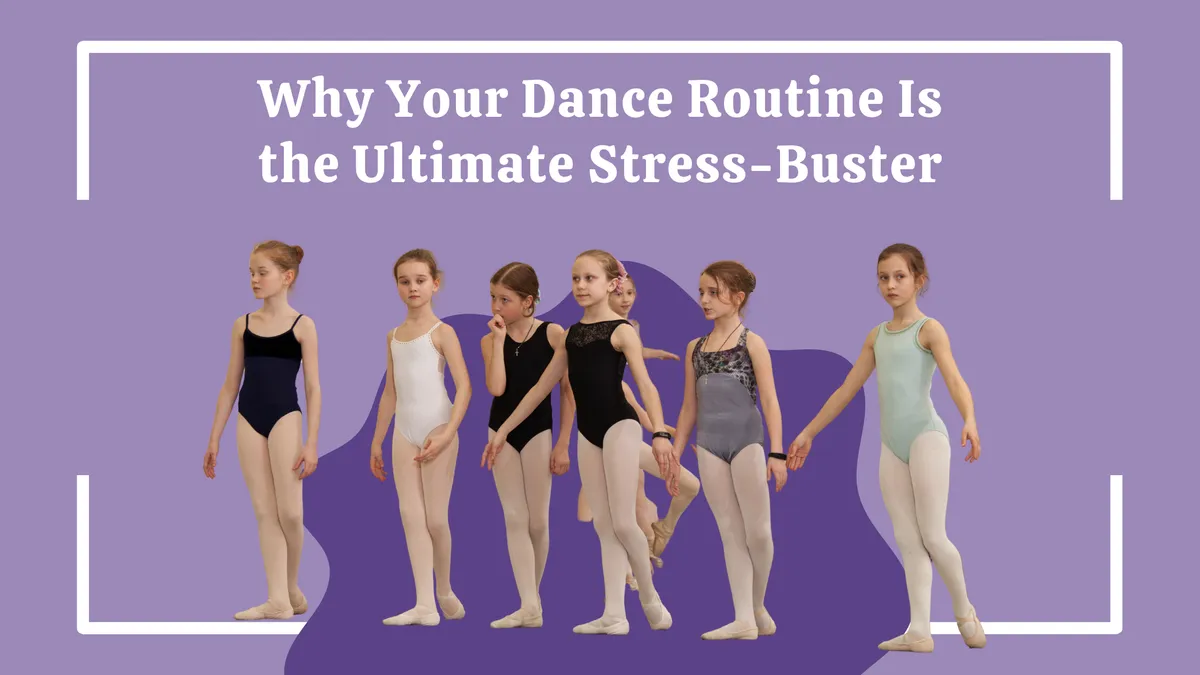
Why Your Dance Routine Is the Ultimate Stress-Buster
Life can feel busy, even for children and teenagers.
Between school, homework, activities, friendships, and family commitments, it's easy to feel overwhelmed from time to time. When that happens, many people look for ways to relax and recharge.
For dancers, one of the most effective stress-relievers is often something they're already doing every week: dancing.
A dance routine isn't just a series of steps put together to music. It's a powerful combination of movement, creativity, focus, and self-expression that can help reduce stress and improve overall wellbeing.
Dance Gives Your Mind Something Positive to Focus On
When we're stressed, our minds often jump from one worry to another.
We think about what happened earlier in the day, what needs to be done tomorrow, or something that didn't go as planned. This can leave us feeling mentally exhausted.
Dance naturally interrupts that cycle.
When you're learning choreography, counting music, remembering formations, and focusing on technique, your attention shifts away from everyday worries. Your brain becomes fully engaged in the task in front of you.
This is one reason why many dancers say they feel better after class, even if they arrived feeling stressed or distracted.
Movement Helps Release Physical Tension
Stress doesn't just affect the mind.
It often shows up physically too. Tight shoulders, restless energy, muscle tension, and difficulty relaxing can all be signs that the body is carrying stress.
Dance encourages the body to move in ways that release some of that built-up tension.
Jumping, turning, stretching, balancing, and travelling across the floor all require energy. Instead of keeping stress bottled up, dance provides a healthy outlet for it.
By the end of class, many students feel lighter, calmer, and more relaxed than when they arrived.
Music and Movement Work Together
Music alone has the ability to influence mood.
Pair it with movement, and the effect becomes even stronger.
A fast-paced routine can help boost energy levels and improve motivation. A lyrical or contemporary piece may help dancers slow down, connect with their emotions, and focus on expression.
The rhythmic movement and music provide a mental escape, helping to calm racing thoughts. Instead of dwelling on worries or distractions, dancers become absorbed in the timing, movement, and feeling of the routine.
This combination of music and movement creates an experience that engages both the mind and body at the same time.
Rather than sitting and thinking about stress, dancers actively work through it.
Dance Creates a Space for Self-Expression
Not every feeling is easy to put into words.
Sometimes it's easier to express emotions through movement.
Dance gives students an opportunity to communicate confidence, excitement, determination, joy, or even frustration in a creative and constructive way.
This ability to express yourself can be incredibly valuable, particularly during times when emotions feel difficult to process.
Students often leave class feeling clearer and more settled simply because they've had an outlet for their energy and emotions.
Routine Creates Stability
There is something comforting about routine.
Knowing that you have a class each week, familiar faces to see, and goals to work towards can provide a sense of structure and consistency.
For many students, dance becomes a reliable part of their week — something they look forward to regardless of what else is happening.
Having a positive activity that remains constant can be especially helpful during busy or stressful periods.
Achievement Helps Build Resilience
Every dance class presents opportunities to learn, improve, and overcome challenges.
Some days you'll master a new skill. Other days you'll work through something that feels difficult.
Both experiences are valuable.
Each time a dancer perseveres through a challenge, they build resilience. They learn that progress takes patience and that setbacks don't mean failure.
These lessons don't just apply in the studio. They can help students feel more confident when facing challenges elsewhere in life too.
It's Time Spent With Others
Dance may be an individual art form at times, but it's also incredibly social.
Students rehearse together, support each other, celebrate achievements, and work towards shared goals.
These connections can have a positive impact on wellbeing. Feeling part of a group helps students develop friendships, confidence, and a sense of belonging.
Sometimes simply spending time with people who share the same interests can be enough to lift your mood.
More Than Just a Routine
When people watch a dance routine, they see choreography.
What they don't always see is everything happening behind it.
The concentration. The teamwork. The confidence being built. The stress being released. The friendships being strengthened.
A dance routine is much more than movement. It's an opportunity to switch off from daily pressures, focus on something positive, and leave feeling stronger both physically and mentally.
Ready to Experience the Benefits of Dance?
At Arabesque School of Performing Arts, students develop technique, creativity, confidence, and resilience in a welcoming and supportive environment.
Whether your child is looking for a new hobby, a creative outlet, or simply a place where they can move, learn, and enjoy themselves, dance offers benefits that reach far beyond the studio.
Book a trial class today and discover why dance can be one of the most rewarding ways to improve wellbeing, build confidence, and leave stress behind.
